
As someone whose day job has been in the tech sector for over a decade now, I know first-hand that every innovation effort pioneered these days is centered around one key element: customer/user experience. When markets across all industries are saturated with competitors, the only sure-fire way to stand out and garner attention from prospects is by offering an elevated experience that makes all other options seem less desirable.
For concert-goers in Europe and the Americas, a recent innovation that is spreading like wildfire now is the use of LED bracelets that make them a part of the show. How did this happen? To no one’s surprise, we’re turning our gaze towards South Korea.
The rise of the Bong
No, not *that* type of bong. In Korean, ‘bong’ means stick.
Back in the early 2000s when K-Pop was just starting to take shape as the phenomenon we know today and the second generation of K-Pop artists were coming up, fandoms would try and make their concert-going experience more significant by leveraging their fandom colors, wearing coordinated outfits, and eventually, bringing glowsticks to create a visual show back at the artists. The way fans think is “it’s not just about seeing the artists, but about them seeing US being there for them.”
BIGBANG, a group that officially debuted in 2006 (and gave us their seeming last comeback in 2022), was the first to take matters into their own hands and created the first K-Pop lightstick, which they called “Bang Bong” to offer the fans as both merch and a step up from the more generic glowsticks that had been used before. This revolutionized the entire culture of K-Pop concerts, and started a movement now adopted by every single K-Pop group that has debuted since then.
There are way too many groups with their corresponding lightsticks to name, but we have some favorites to highlight:
- BTS – Army Bomb (not a name you should use at the airport as you travel to your next BTS concert, stick to lightstick)
- BLACKPINK – Bl-ping-bong (probably one of the bulkier designs)
- EXO – Pharynx/Eribong (this one is our favorite lightstick design both in cleverness and simplicity, by far!)
- Stray Kids – NACHIMBONG
- Monsta X – Mondoongie
K-Pop lightsticks evolve through the years, because 1. As more groups come out, the urge to outdo each other is always there and 2. Capitalism. If these companies re-design their lighsticks for every tour, it becomes another collectible item for the fans to desire. You’ll notice as you look through popular lightstick listings that they’re typically out of stock, and they’re not as easy to get as one might think. Laura and I both own three (the Army Bomb, the Nachimbong, and the Mondoongie) only because of her eagle eye to spot deals and foresight to order them way in advance of when we may need them.
Oh and one more thing: lightsticks aren’t exclusive to K-Pop. Even former South Korean President Moon Jaein has his own “Moon Bong.”
New journey to the West
Once K-Pop started trickling into the mainstream in the early 2010s, one Western group wanted to try the experience for themselves, but a little differently. The group? Coldplay.
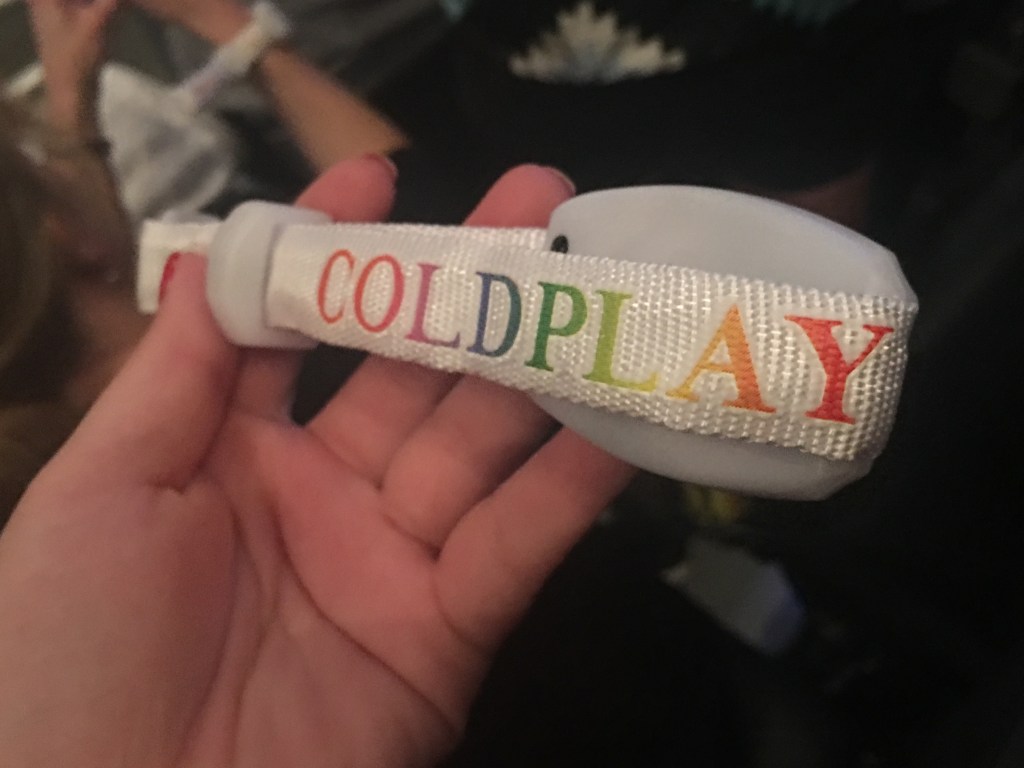
In 2011 the UK band deployed a similar concept with flashing wristbands. The main differences between the lightsticks and the wristbands are:
- While lightsticks are merch items that fans are all too happy to pull out their (or their parents’) credit cards for, the wristbands are a free component of the concert experience. They’re provided at the venue, free of cost, to be worn during the concert.
- Lightsticks have buttons for you to turn them on and off as wanted. Some even connect to apps so you can select which colors to display, and once you arrive at a concert, you pair it with your seat so that it automatically participates in the choreographed lightshow. On the other hand, because the wristbands are set up with radio frequency as part of the concert show, they only work at the venue while the concert takes place and there’s no way to activate it or deactivate it on your own.
- While lightsticks are not too heavy, they are typically bulky and you grab the stick and hold it/move it along with the rhythm of the song. Wristbands are easily slipped onto your wrists and there’s no added weight or bulkiness or expectation for you to hold your hand up, unless it comes naturally with the song.
My first experience with the wristbands was actually at a Coldplay concert back in 2016. I remember thinking it was absolutely magical (I had zero idea of the K-Pop world at this point) and it was a life-changing concert for me.
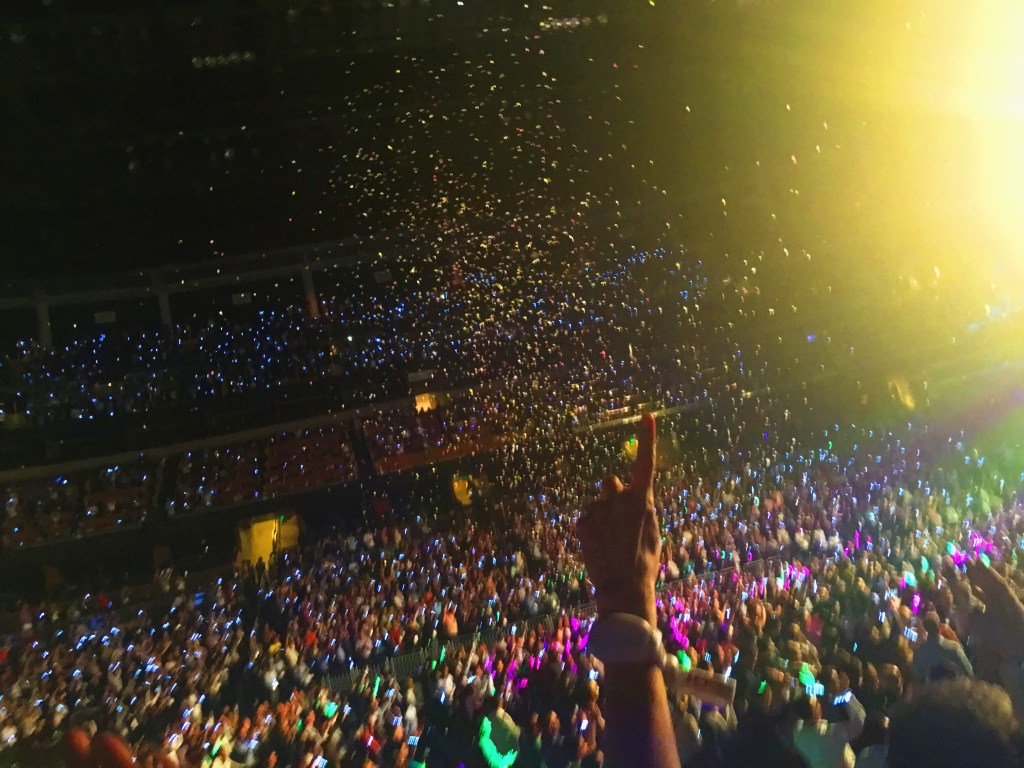
There’s a great video a fellow K-Pop friend sent me while reviewing this piece that is a wonderful cinematographic show of ONE OK ROCK, a Japanese rock band that uses a hybrid “lightband” device, and it’s the perfect visualization of the incredible effect that it creates when fans are made a part of the lightshow and experience.
Let there be light(sticks everywhere)
While Coldplay was the first and the ones to leverage the flashing wristband technology the most, they were certainly not the last. Taylor Swift, the Super Bowl, and big music festivals are now frequent users of flashing wristbands to make fans part of the show. The wristband technology (and market) has evolved tremendously since Coldplay’s first use, and now there are companies like PIXMOB, who offer different wristband options depending on the event type.
Now, it’s 2022 and there’s one key element that has to be in everyone’s checklist: the sustainability component. Coldplay initially was leveraging single-use wristbands, which became one of their biggest touring expenses. The newer models tend to be either made from recycled materials, recyclable, or both.
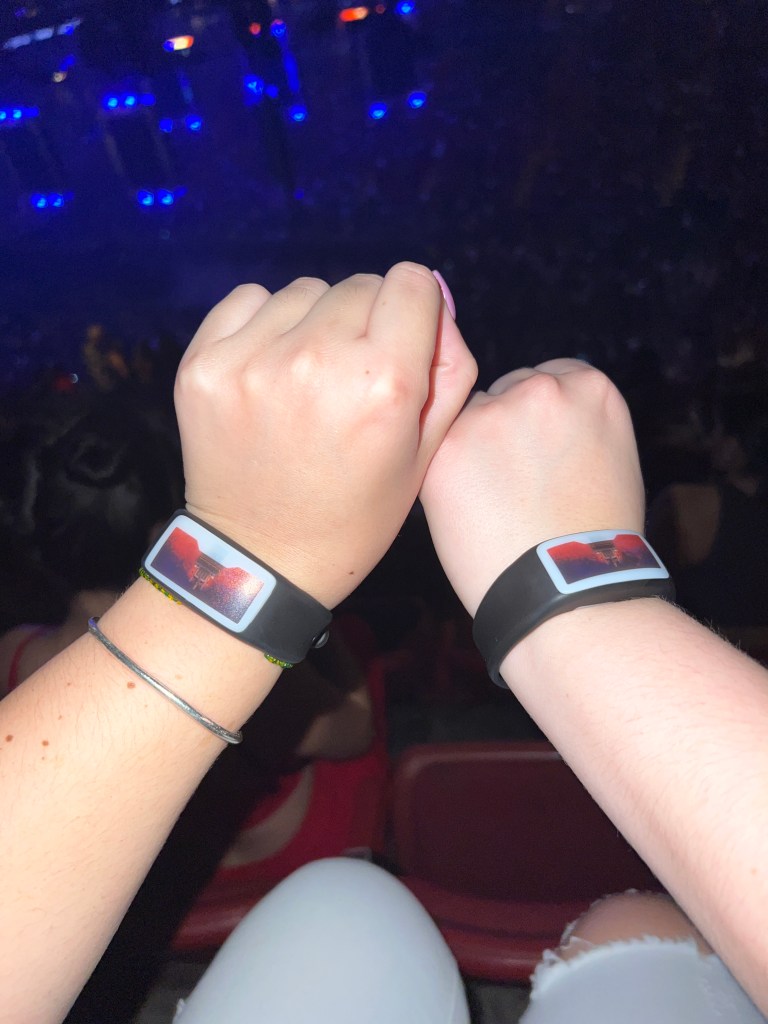
Aside from the aforementioned artists, another region being hit by the concert wristband bug is Latin America (which is what inspired this write-up in the first place). Laura and I attended Bad Bunny’s “El Último Tour Del Mundo” in Miami, and we both laughed when we arrived at the venue and saw the wristbands waiting on our seats. We know J Balvin has also used them, but this was the first encounter for both of us with a Latin artist. We noticed the row in front of us didn’t know about the bracelets, so we tapped them on the shoulder to let them know they should wear them, and they were completely clueless about it.
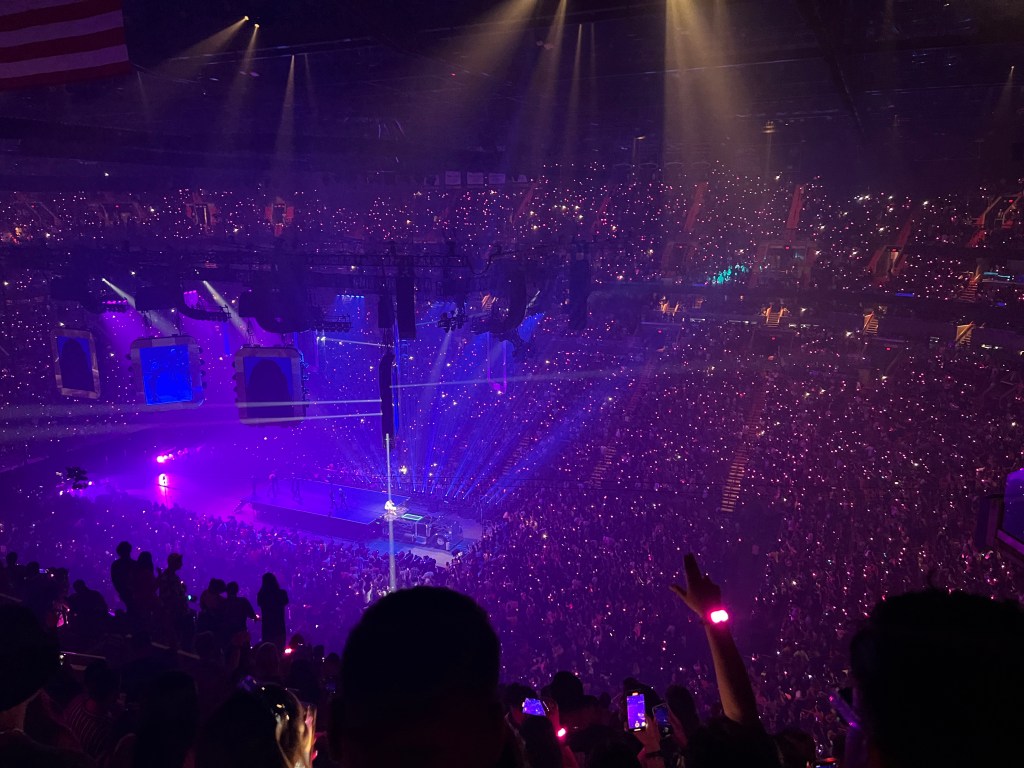
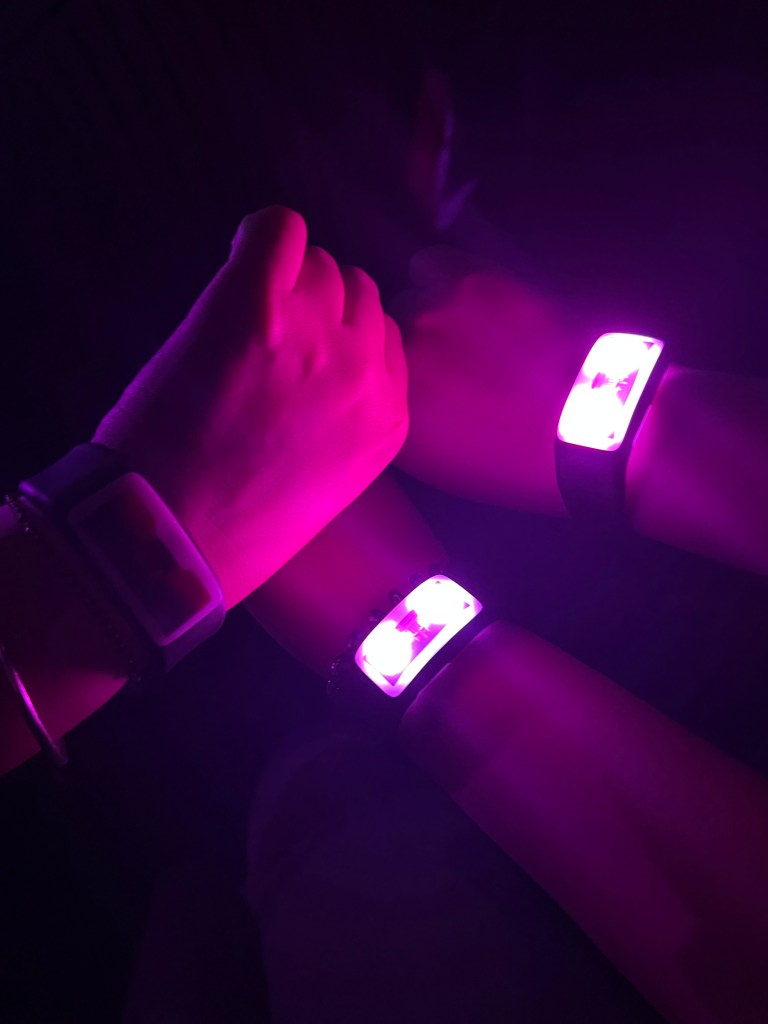
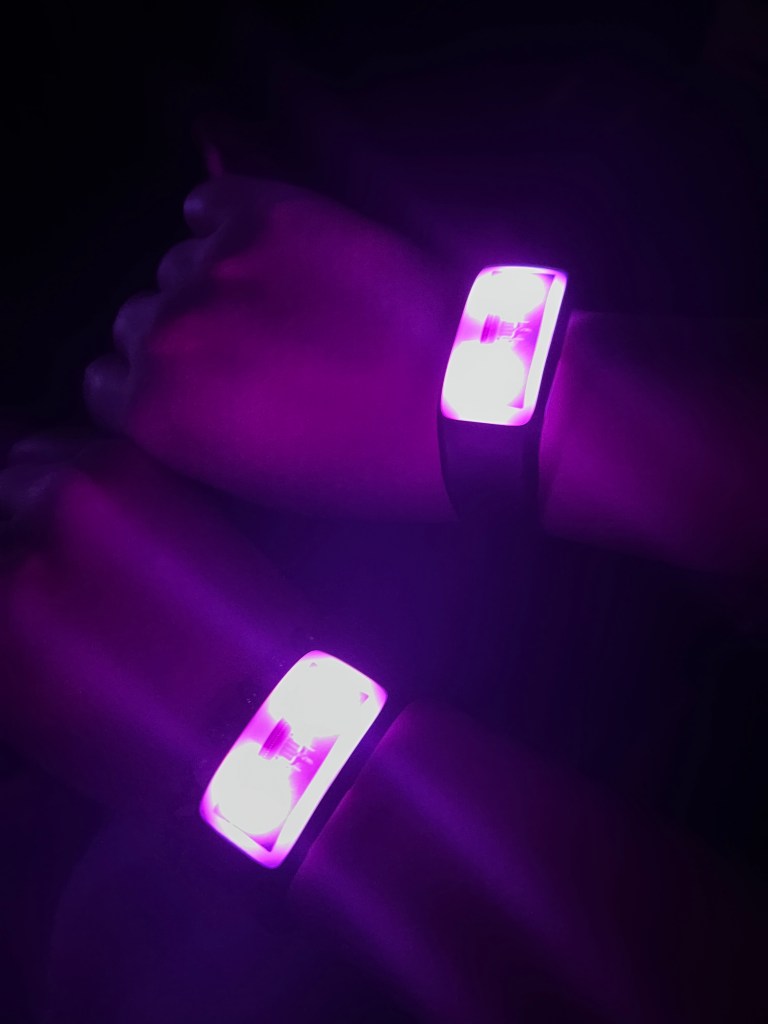

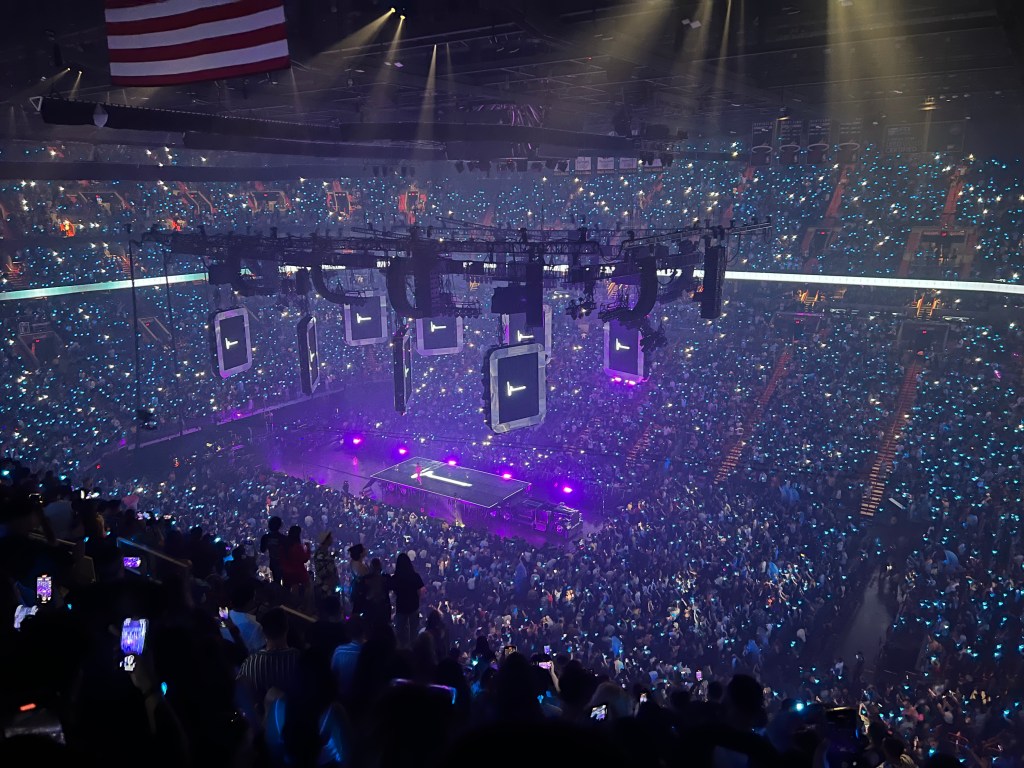
With the increased availability, affordability, and sustainability components all figured out, we have no doubt that the artists putting this element at play will only increase from here – especially for European, American, and Latin acts. Why? Because the wristbands are free and there’s no added requirement for the audience to enjoy them.
J Balvin recently tried to introduce the lightstick concept as part of his last merch drop, and it didn’t work out too well for him – not because of pricing or availability issues, but because Army took issue with the design since it’s pretty similar to the BTS lightstick.
We’re looking forward to seeing how an uncontroversial lighstick drop works out for any and all Western artists, but we’re not holding our breaths on immediate adoption of the trend. K-Pop fans around the world are much more dedicated and hardcore about showcasing their love for their idols, so there’s not much convincing needed to get them to spend money and carry their lightstick to and from the concert venue. Western music act fans though? Not so much.
Which artist would you be interested to see drop a lightstick? Leave your guesses/wishlist below. Put me down for Chayanne oppa.
 MIA2K: A K-Pop Podcast
Leave a comment